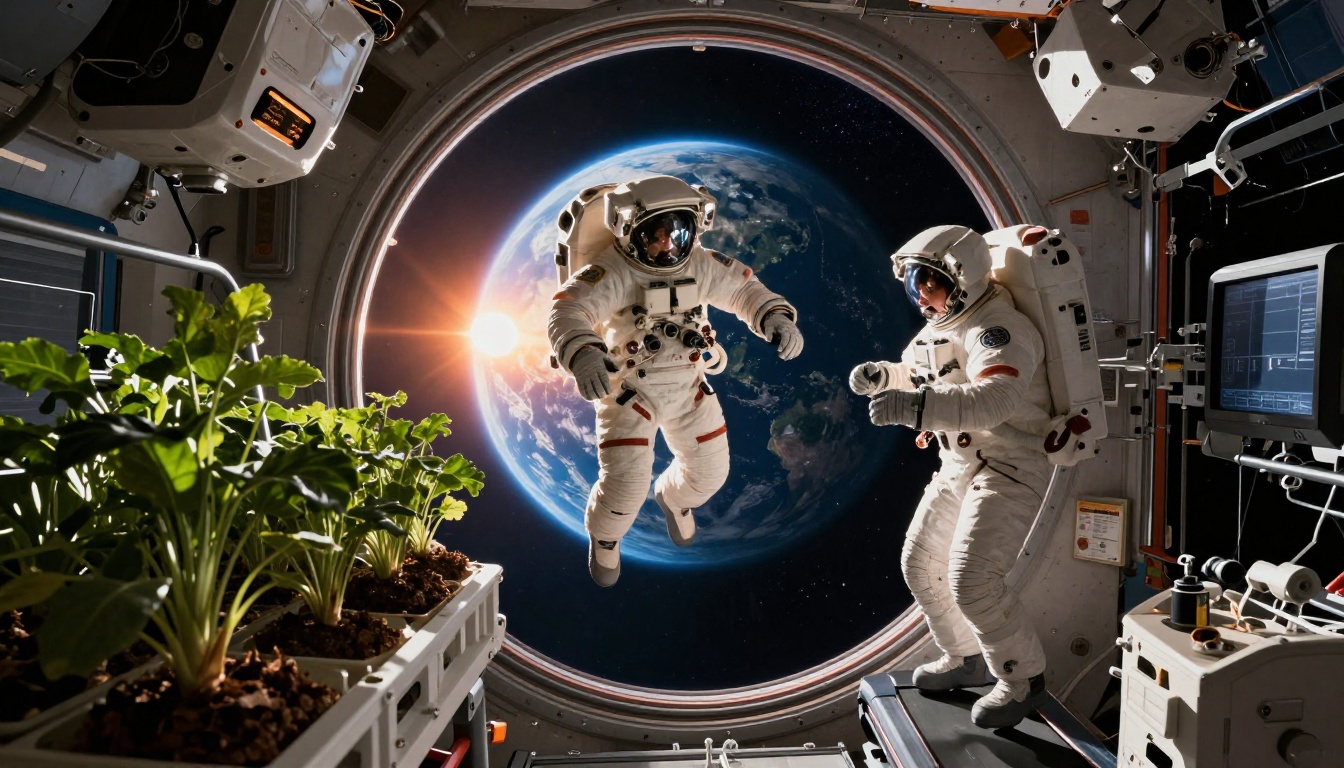
Astronauts zip around Earth at 17,500 miles per hour. They see 16 sunrises and sunsets each day. This happens because the International Space Station (ISS) orbits every 90 minutes.
You might wonder what fills their days up there. Their schedule packs science, upkeep, workouts, and meals into tight slots. No lazy mornings exist. Ground teams plan every 5 to 15 minutes.
As of March 2026 during Expedition 74, routines stay intense. Crew members tend plants in the Veggie system. They run health studies with AI tools. Two hours of daily exercise fights zero-gravity effects. Maintenance and occasional spacewalks keep the station humming.
This breakdown shows what astronauts do in space from wake-up to lights out. You’ll see how they blend hard work with human moments. Let’s start with their unique mornings.
Kicking Off the Day: Wake-Up and Morning Routines in Zero Gravity
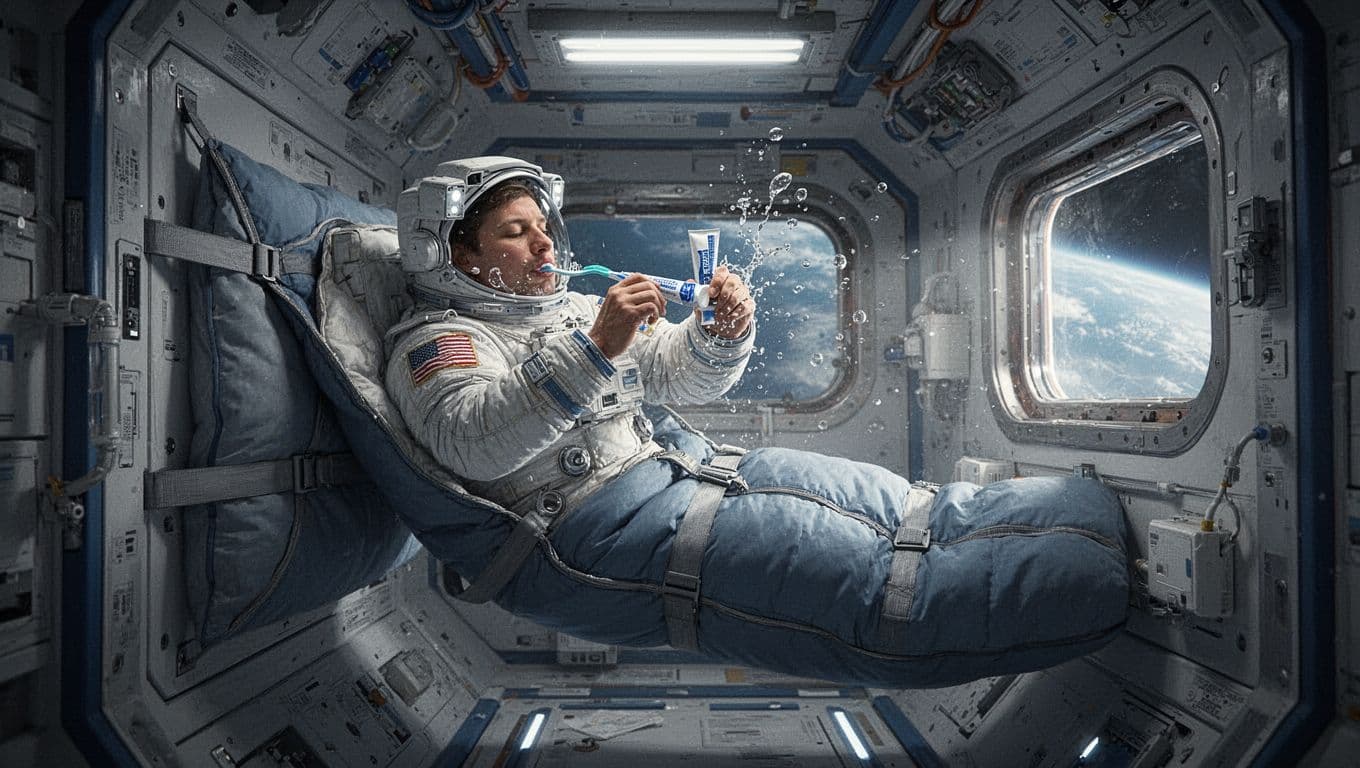
Crew wakes around 6 a.m. EST. They sleep in bags strapped to walls or ladders. No beds hold them down in zero gravity. They float out and zip through modules.
Hygiene comes quick. Astronauts brush teeth with paste from pouches. They suck water from nozzles. No spitting allowed. Droplets would float and damage gear. Face washes use no-rinse wipes. Showers do not exist. Suction toilets handle the rest later.
They glide from node to node. Handrails guide them. Doors stay open for easy passage. Houston coordinates it all from Earth.
Breakfast Time Without a Table
Breakfast hits around 7 or 8 a.m. Foods come in pouches. Think rehydrated cereal or tortillas with spreads. Recycled water fills drink bags. No crumbs float free. They stick to panels and electronics.
Crew eats solo or together. It builds bonds. Lunch waits later. Group meals boost morale amid packed days.
For details on recent schedules, check NASA’s update on science prep work.
Planning the Mission with Earth Teams
Morning briefs follow food. Astronauts chat with control centers. They sync plans and answer queries. Ground teams adjust for issues like cargo arrivals.
Prep starts for science or fixes. Everyone knows their slots. This keeps the ISS safe and productive.
Diving into Science: Experiments That Push Human Limits
Science takes 6 to 8 hours daily. It’s the main job. Research helps future missions to Mars. Crew runs tests in labs like Destiny or Kibo.
Plants grow in Veggie. Health studies track bodies in microgravity. Earth photos aid disaster response. AI monitors crew well-being.
Experiments vary by day. Tuesdays focus on crops. Thursdays hit health research.
Growing Food for the Stars
Veggie uses LED lights, no soil. Astronauts water lettuce or radishes. They harvest greens for salads. Half goes to Earth for checks.
Challenges include pests and wilting. Tastes improve over time. This preps self-sustaining food.
See NASA’s VEG-05 tomato testing report for crop details.
Studying How Space Changes Our Bodies
Microgravity weakens bones at 1 to 2 percent per month. Eyes shift shape. Hearts adapt to no load.
AI analyzes voice for stress. Recent missions collect samples. Crew wears sensors. Data fights long-term effects.
Snapping Pictures of Our Home Planet
From the Cupola, they photograph volcanoes or storms. Views span continents. Photos track wildfires or floods. It aids scientists below.
One shot captures auroras at night. Earth looks fragile from 250 miles up.
Keeping the Station Shipshape: Maintenance and Spacewalks
Upkeep fills gaps between experiments. Crew checks air filters and power systems. They recycle water and oxygen.
Full maintenance days happen weekly. Cargo unloads from ships like Progress 94. Cameras and vents get cleaned.
Spacewalks add risk. They occur a few times weekly, like Wednesdays.
NASA covers cargo and upkeep tasks in recent posts.
Daily Checks and Quick Fixes
Astronauts inspect life support. They swap filters or test plumbing. Air quality stays key. One leak could spell trouble.
Power from solar arrays needs monitoring. Small fixes prevent big problems.
The Thrill and Risk of Spacewalks
Prep starts early. Suits weigh 300 pounds on Earth but float up there. They purge air and float out airlocks.
Tasks include cable routing or panel swaps. Helpers inside assist. A recent 6.5-hour walk installed arrays. Microbe swabs check contamination.
Safely back inside, they debrief. Hearts race at 250 miles altitude.
Staying Strong: Two Hours of Exercise to Beat Zero Gravity
Workouts last two hours daily, sometimes more. Zero gravity atrophies muscles. Bones lose density fast.
Astronauts strap to treadmills. They pedal bikes. Resistance fights weakness. Data feeds health studies.
This mirrors Earth gyms but with straps. It preps for Mars returns.
Gear That Works Without Gravity
Treadmills use bungee cords. Feet strap down. Ergometers mimic cycling. Vacuum cylinders provide resistance.
No weights needed. Suction holds bars. Sessions split into cardio and strength.
Why Every Minute Counts for Health
Loss hits quick without effort. Two hours counters it. Mars trips demand strong bodies. 2026 data refines routines.
Meals, Chats, and Chill Time: Eating, Connecting, and Unwinding
Three meals use pouches. Lunch floats as orbs sometimes. Dinner groups share borscht or favorites.
Hygiene repeats. Suction toilets vacuum waste. Wipes clean up.
Evenings bring reports to ground. Family calls connect them. Bed around 10 p.m.
Free time offers Cupola views. Movies or books relax. 16 sunrises awe daily.
Eating and Hygiene in Orbit
No crumbs means tortillas over bread. Drinks stay in bags. Toilets use airflow. Quick and private.
Linking Up with Earth and Relaxing
Video chats with kids or schools inspire. Hobbies like photos fill gaps. News keeps them current.
Crew debriefs light days too, per NASA’s light-duty report.
Astronauts start days floating from sleep bags. Science and fixes dominate hours. Workouts and meals punctuate shifts. Evenings link them to home before 16th sunset.
Expedition 74 in March 2026 shows steady routines. No big shifts yet. This builds skills for Moon bases or Mars.
Watch live ISS streams on NASA TV. What part of their day surprises you most? Dream big, gaze up tonight.